Your Google listing is winning. Your website is losing. That's not a mistake.
Across the same 49 managed pubs, Google listing impressions rose 10.6% while website sessions fell 6.2%, summer on summer. Read the two together before deciding what needs fixing.
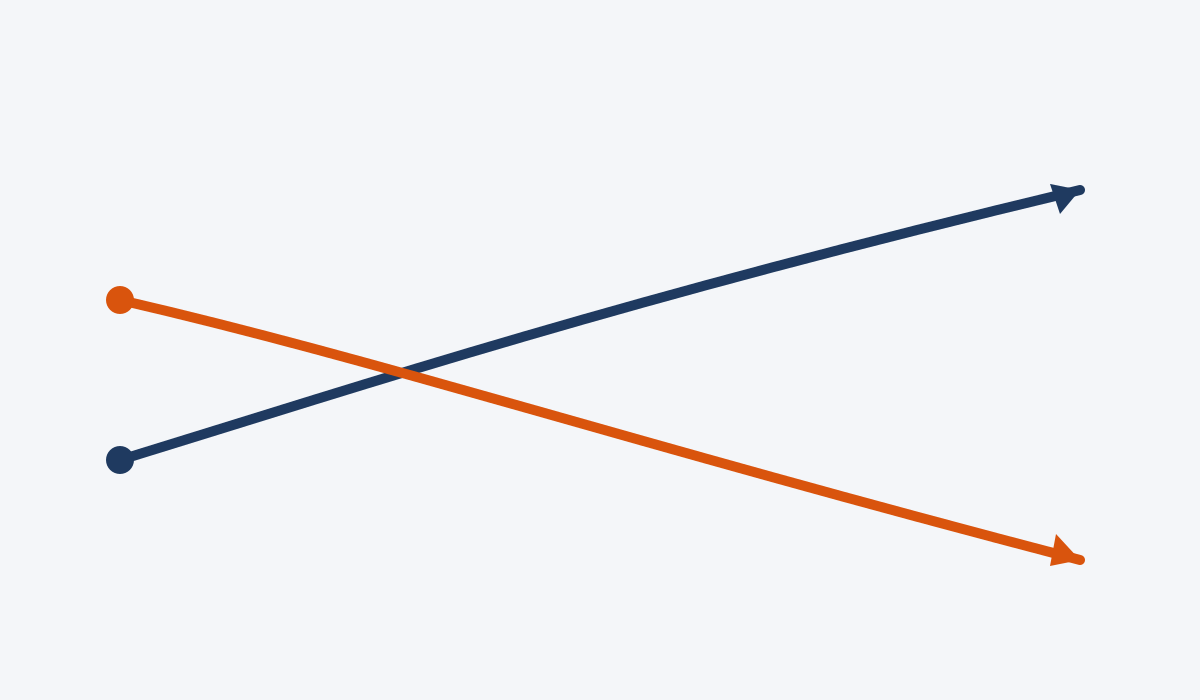
Across the same 49 managed pubs, Google Business Profile listing impressions rose 10.6 percent while website sessions fell 6.2 percent. That compares 1 June to 31 August 2026 with the same dates in 2025, and we checked the figures again on 2 October. Impressions went from 2,327,139 to 2,573,109. Sessions went from 327,064 to 306,805.
A pub is in this comparison only if we had complete data for it from both Google and the website in both summers. Pubs with missing data were left out, not counted as zero. Across the wider 55 pubs with Google data in both summers, impressions rose 16.7 percent.
Read as a website problem, that’s alarming. Read correctly, it may be neither good news nor bad news. It could be what happens when a customer’s question gets answered before they ever click through to find out. These figures do not prove that is the cause.
The click was never the point
Few people need to open a website to learn a pub’s opening hours now, not when the same hours sit directly on the search results page, phone number and photos included. That’s not the website losing to the listing. That’s the listing doing the job it was always meant to do, quickly, for the questions that don’t need a whole page: are you open, where are you, what do you look like inside.
The website still earns its keep for anything that needs more than a glance: the full menu, the story of the place, actually booking a table. If your website traffic is falling only on the pages that answer quick questions, that’s the shift working as it should. If it’s falling on the booking page too, that’s a different and much more urgent problem.
Measure both together, or you’ll draw the wrong conclusion
Looked at alone, falling website traffic reads as a marketing failure. Looked at alongside rising listing views, it can read as demand moving one step earlier in the journey, not disappearing. The two numbers only tell the truth together.
A listing impression is an appearance on Google Search or Maps. A website session is a visit. Neither proves a booking, a visit to the pub or a sale.
What leaders should do next
- Stop reading website traffic on its own as a proxy for interest. Put listing views and website visits on the same chart, for the same dates and the same pubs, before drawing any conclusion from either.
- Work out which jobs on your site genuinely need the click, booking, full menu, the story, and make sure those specific pages are strong. The rest can safely lose traffic to the listing.
- Keep your listing information as accurate and current as your website. It’s now doing more of the first impression than the site is.
- Before treating a website traffic drop as a marketing problem, check the listing numbers first. The demand may simply be getting satisfied a step earlier than it used to be.